Chinese culture · A place to start
Chinese Funeral Customs: A Thoughtful Guest’s Guide
What to ask about dress, flowers, and the service—while following this family’s wishes.
AI-assisted · Reviewed by the project owner on November 5, 2026
November 3, 2026 · Sources linked below
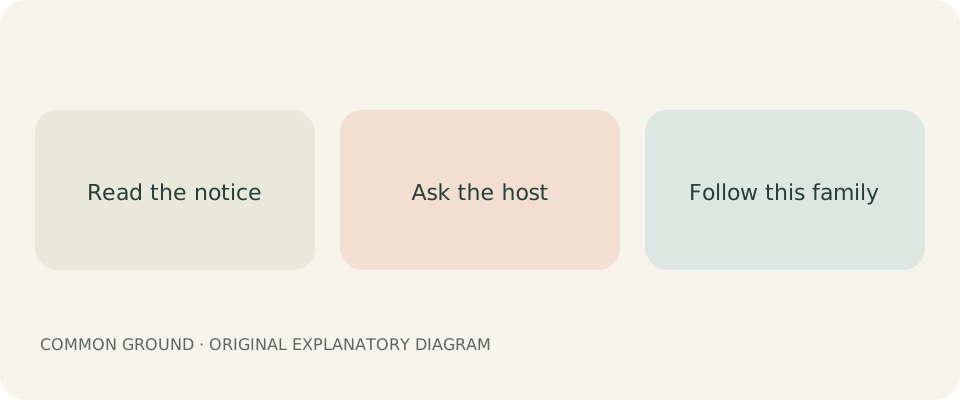
Going to a Chinese funeral? Start here.
You do not need to arrive knowing every ritual. Read the family’s notice, follow their requests, and ask the funeral director or a designated host if something is unclear. “Chinese funeral customs” covers many communities, beliefs, and family choices—not one checklist.
This is a cultural guide for guests. It is not funeral-planning, religious, legal, or medical advice.
Media selection · Reviewed by the project owner on November 5, 2026. Context images do not replace the story’s cited evidence.

A Chinese cemetery in the image record. Your own visit will follow a particular family and setting.
Image source & license
Bill Longstaff from Calgary, Alberta, Canada · CC BY-SA 2.0. WebP delivery copy; resized if needed, composition unchanged. Original image & full credit · License
Before you go: three useful questions
- Is there a dress request?
- Would the family prefer flowers, a donation, or another way to show support?
- Is there anything guests should know before the service?
Our practical suggestion: ask the person coordinating the service when possible, rather than giving the closest bereaved relative another decision to make.
Clothes, gifts, and money: ask before following a rule
Dignity Memorial’s US-facing guide describes mourning clothes, condolence envelopes and flower choices. It also describes an exception to its advice about bright colors. That is a useful warning against a universal dress rule—not permission to decide what a particular family wants. [F1]
Use the notice first. If it does not answer your question, ask. We do not give a standard dollar amount, recommend an envelope color for every family, or assume flowers are wanted.
Do not bring incense, paper offerings, or food simply because a general guide mentions them. Check whether the family and venue want or allow them.
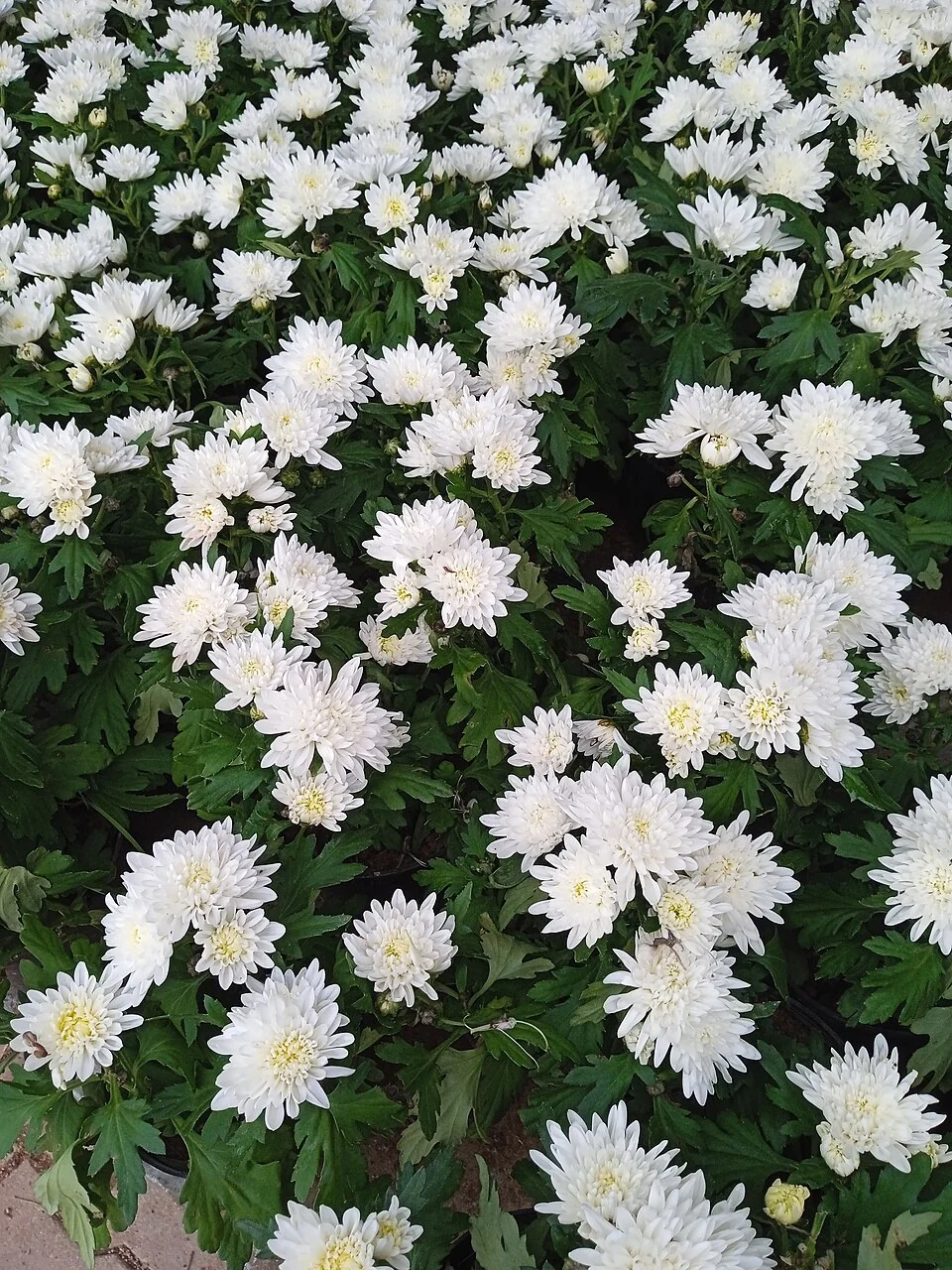
White flowers as a remembrance detail. Ask what this family would find welcome.
Image source & license
Adbh266 · CC BY-SA 4.0. WebP delivery copy; resized if needed, composition unchanged. Original image & full credit · License
A roadside goodbye in a Chinese community
The Singapore Federation of Chinese Clan Associations describes luji, a roadside tribute associated with places in Fujian. People along a funeral procession’s route offer a farewell in recognition of their connection to the person who died. [F2]
It is a small story with a human center: someone’s route through a community becomes a place for that community to respond. This is a regional account, not a practice every Chinese family follows—and not an instruction to arrange an offering yourself.
A familiar US moment, imagined
Imagine a coworker’s memorial notice asking for donations to a local library instead of flowers. You might normally send a bouquet. Reading the notice lets you turn a general habit into support that fits this family.
That is our invented comparison, not an interview. It helps explain why the family’s request matters more than a cultural shortcut. It does not make the two traditions identical.
During the service
Our guest advice: put your phone away, keep your voice low, and wait for a host’s direction before joining an unfamiliar action. Ask before taking photographs. If an act conflicts with your beliefs or comfort, ask whether you can stand quietly instead; do not assume participation is required.
A short condolence is enough: “I’m so sorry for your loss. I’m glad I could be here.” This is suggested English wording, not a traditional Chinese formula.
A message you can adapt
I’m so sorry for your loss. I’d like to come and support you. Is there a dress request or anything guests should know? Please point me to the person coordinating if that’s easier.
Only ask for details you actually need. You can copy this public template yourself; no family name or personal message is sent by this page.
Keep a private question in the notebookThe notebook is a general learning tool, not a funeral checklist. Avoid storing sensitive family details.
Afterward, leave room for the person
A custom can help a family grieve; it cannot tell you exactly how one person feels. Our suggestion is to offer one specific, manageable kind of support rather than ask someone to explain their culture while grieving.
Read about Qingming and remembrance →Qingming is a separate remembrance occasion, not a substitute for a funeral.
Sources & scope
- F1 · Dignity Memorial — Chinese Funeral Etiquette & Superstitions (opens in a new tab). Commercial US funeral-provider perspective, not a universal community standard. Its broad claims and gift amounts are not adopted here.
- F2 · Singapore Federation of Chinese Clan Associations — Rituals (opens in a new tab). Cultural association account; luji is a Fujian example, not evidence about prevalence in the US. Religious beliefs are described as beliefs, not factual outcomes.
We read source text, not every linked image or video. The project owner confirmed review on November 5, 2026.