Culture guide · Mahjong
Your First Mahjong Night? Ask These Three Questions.
Before game night, three questions can help you find your seat at the table.
A story for later. A lesson to come back to. Kept in this browser.
Tap a bookmark on a story or learning resource, and it will be here when you return.
Explore learning resourcesBefore game night, three questions can help you find your seat at the table.
Follow regional roots, several routes, and the people who made room for the game.
Ask about the plan, check before bringing something, and let your hosts lead.
A dragon is a starting point. The object around it gives you a better story.
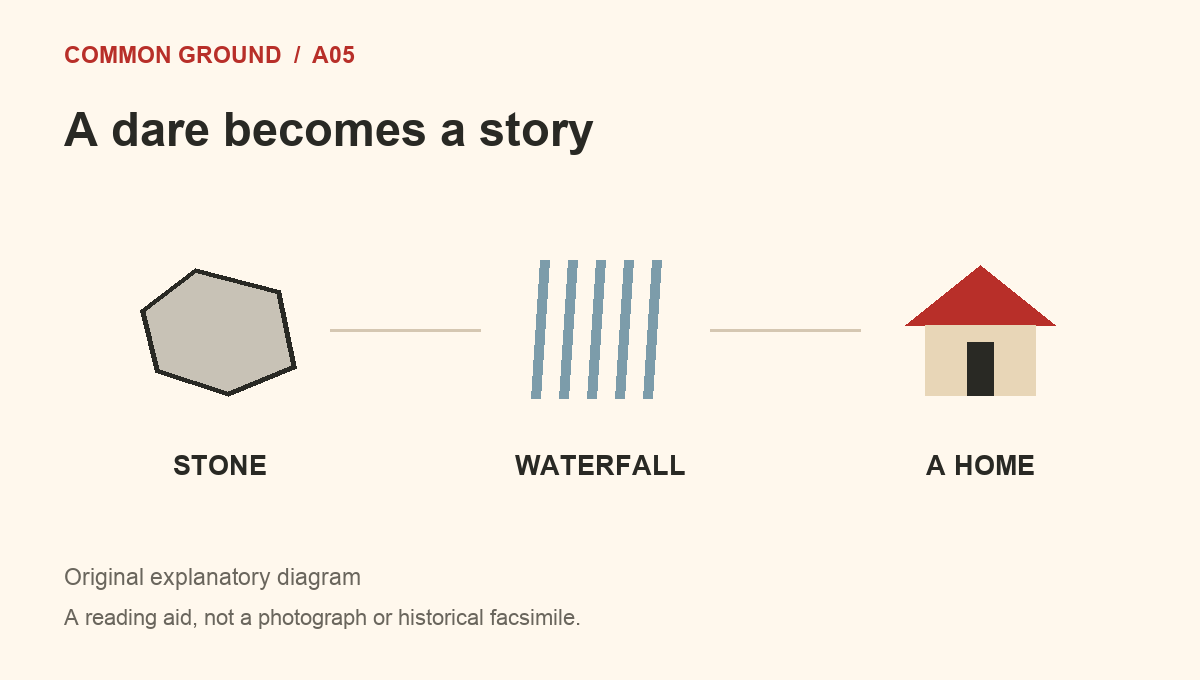
The Monkey King’s first leadership move? He found the group a home—and made sure they kept their promise.
A mooncake question that gets a better story: “Who do you usually share these with?”
Your first Chinese tea tasting doesn’t need a gear haul. Start with one tea and one thing to notice.
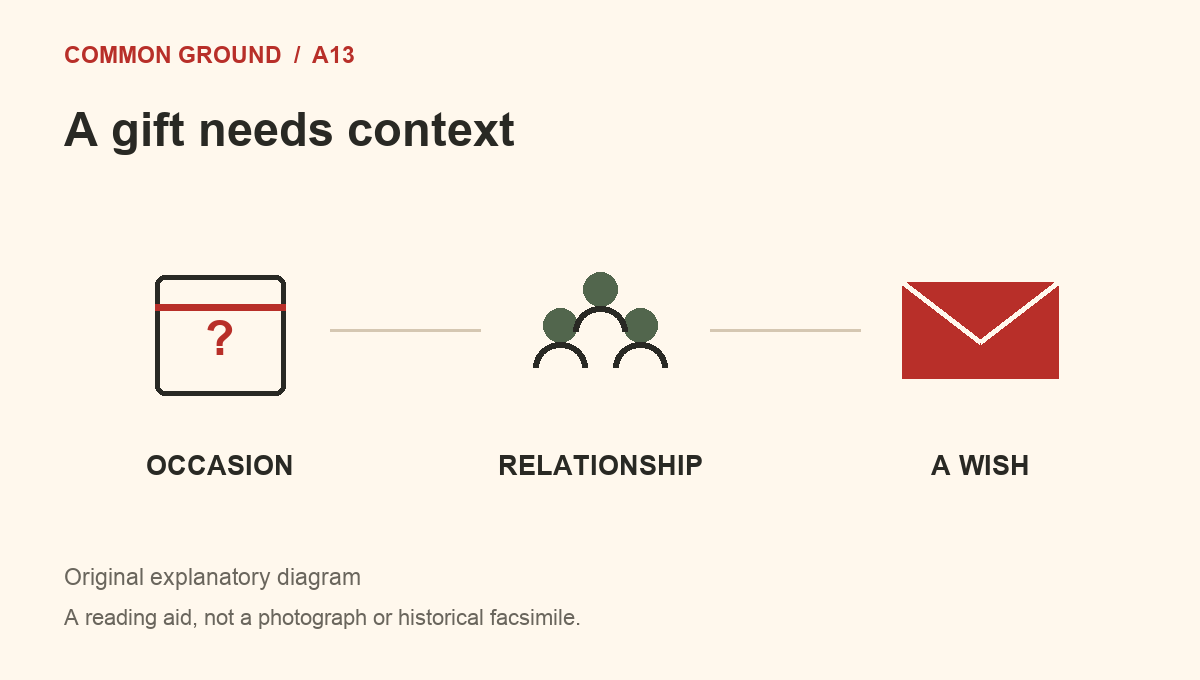
The easiest gift rule to remember: ask the person you’re actually visiting.
Before guessing a Chinese sign from its shape, save the whole phrase. Context gets the last word.
A zodiac animal can start a conversation. It shouldn’t finish your judgment of someone.
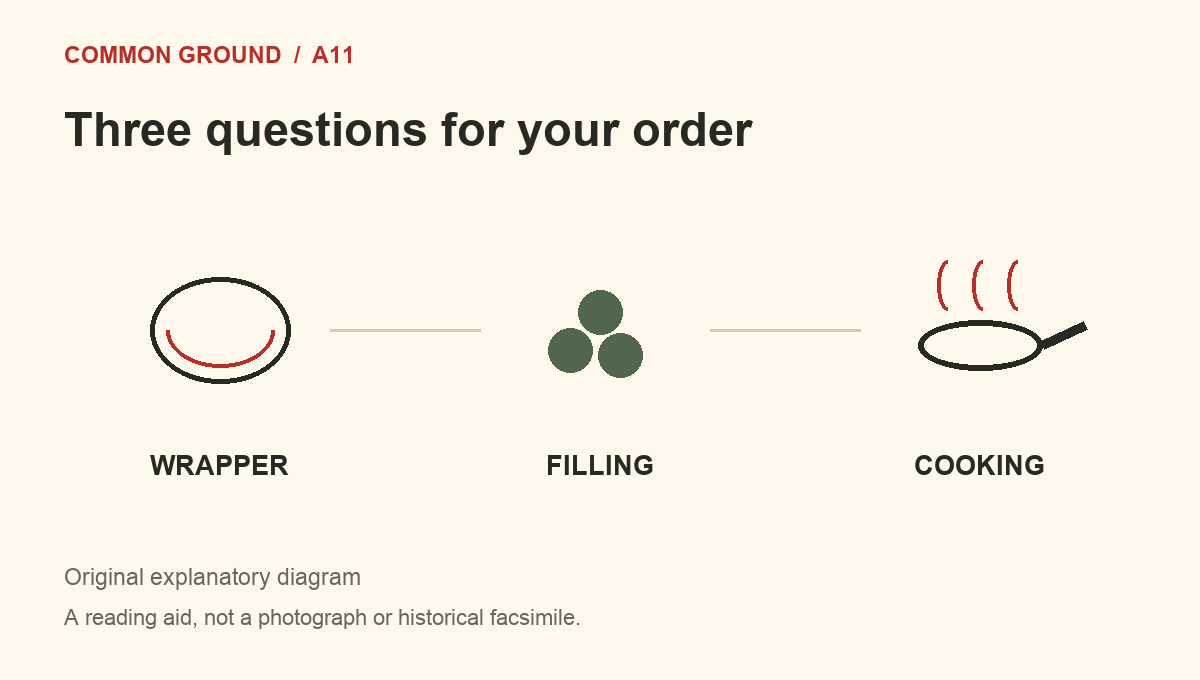
Before ordering “dumplings,” ask three things: wrapper, filling, and how they’re cooked.
Can’t read the calligraphy yet? Start with the label, then notice where a line changes weight.
Wondering about red envelopes? Ask about the occasion and the relationship before looking for a dollar amount.
Dragon Boat Festival rewards a closer question: whose version are we hearing?
At Qingming, tending a place can open a conversation about a person.
Lantern Festival brings lights, riddles, and reunion into focus without making every rice ball identical.
Double Ninth invites attention to place, remembrance, and the people walking beside us.
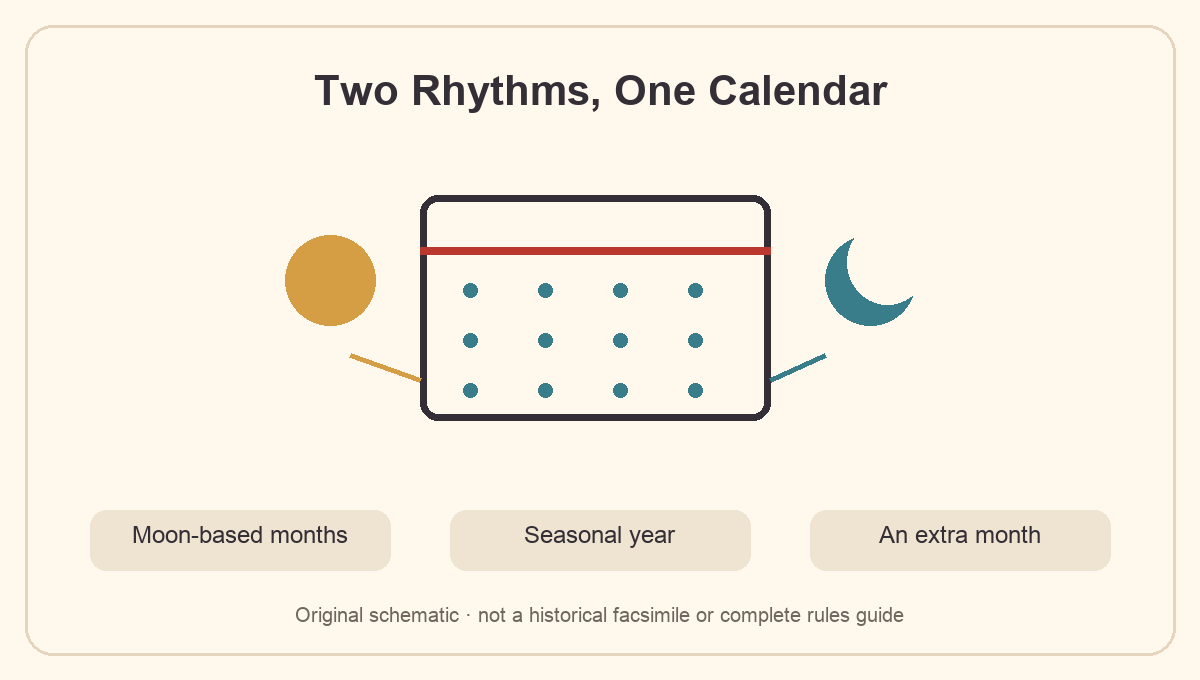
Festival dates shift on a US calendar because lunar months and the solar year do different jobs.
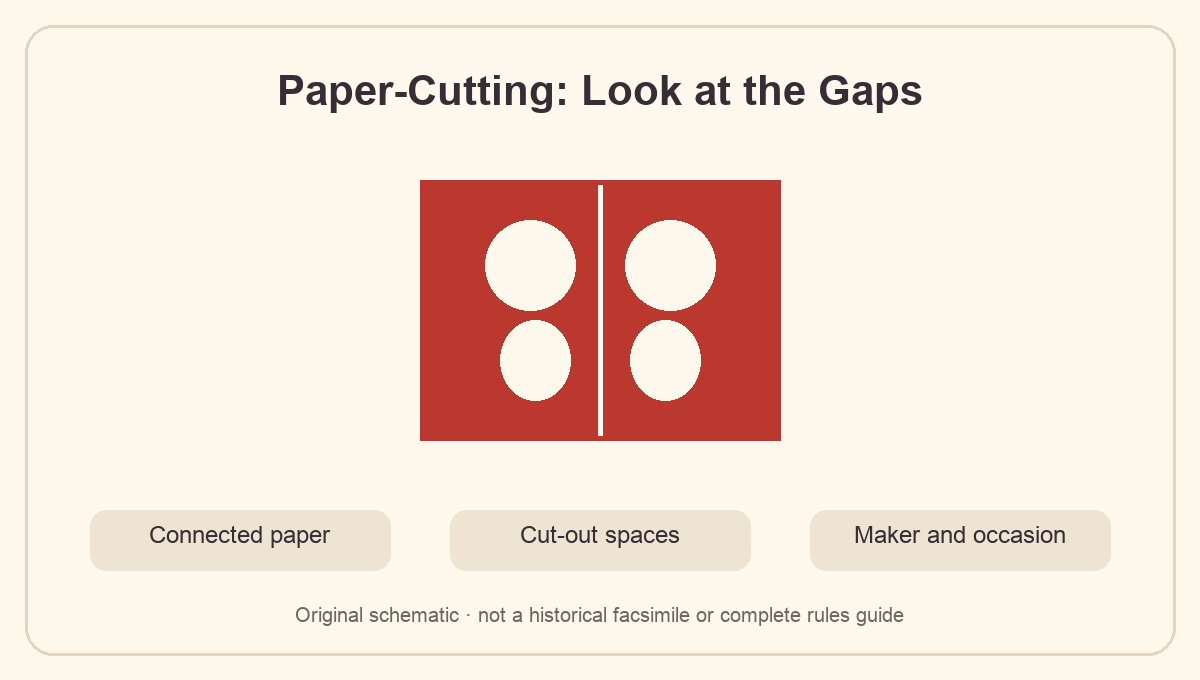
A cut-paper design invites you to notice what has been removed as well as what remains.
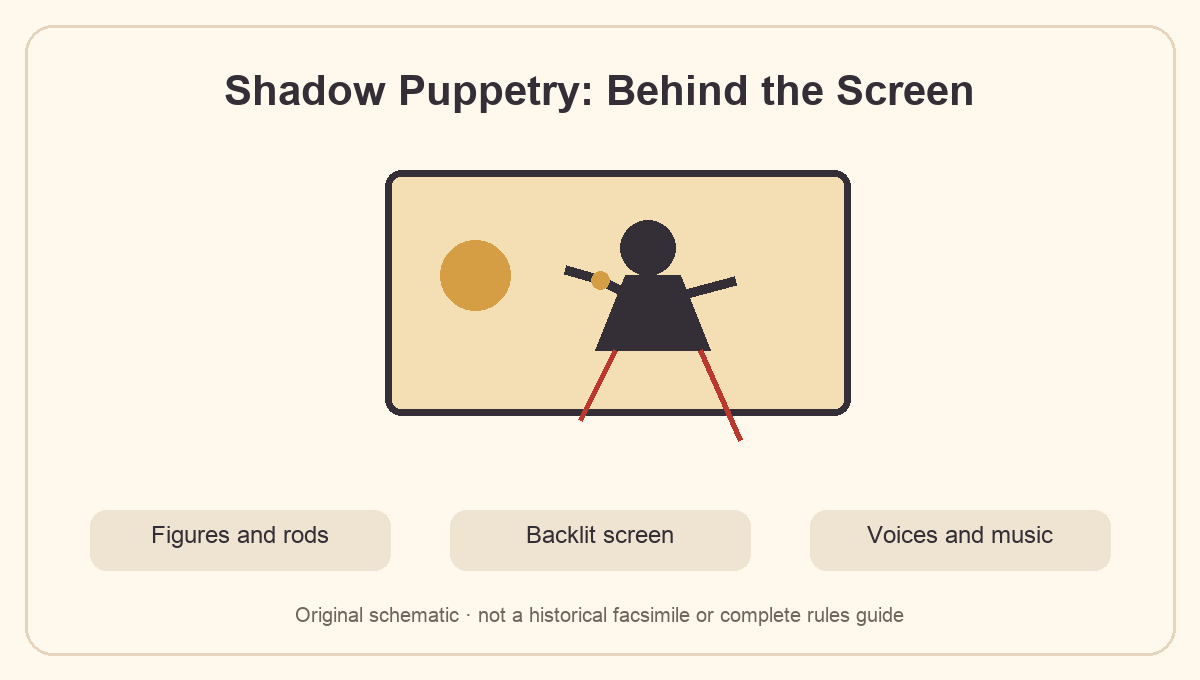
A moving silhouette is the visible end of a much larger performance.
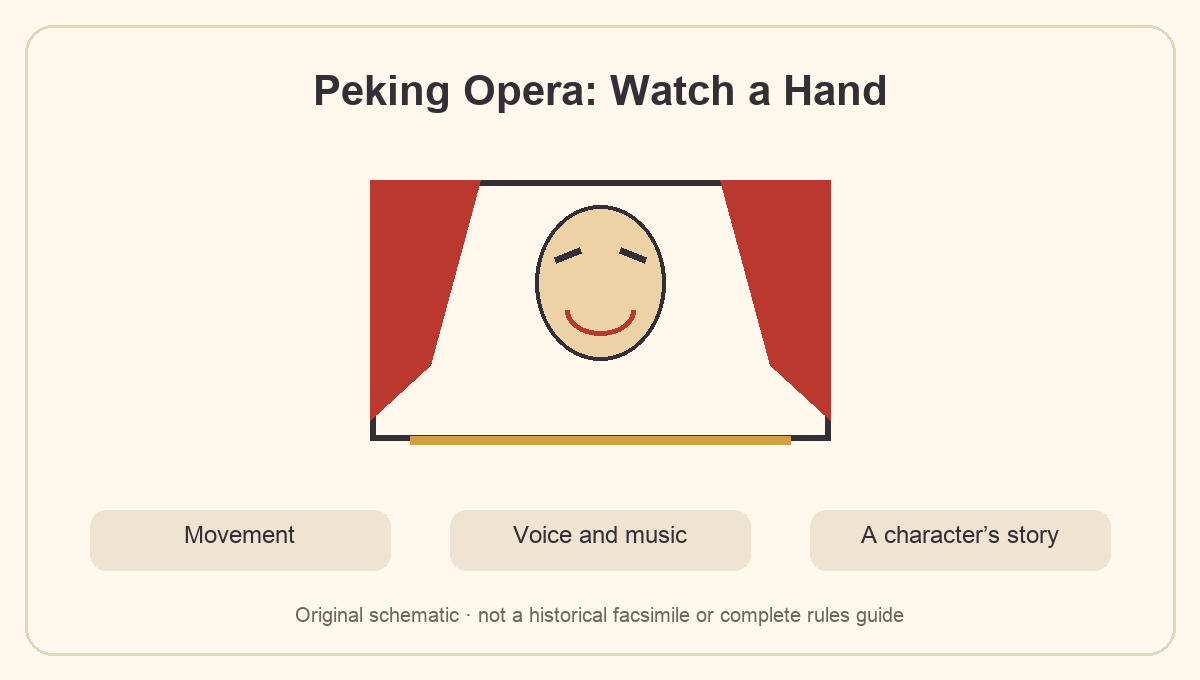
Start with a gesture, then make room for voice, rhythm, and theatrical convention.
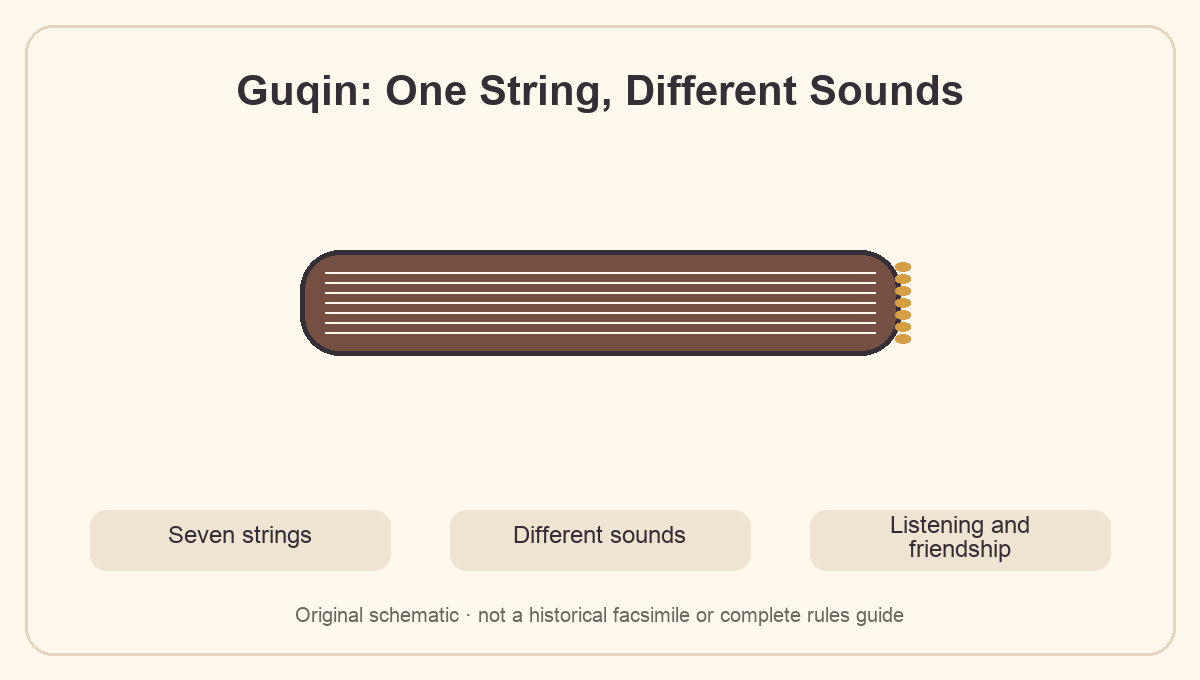
Seven strings open a conversation about touch, listening, and the limits of a quick introduction.
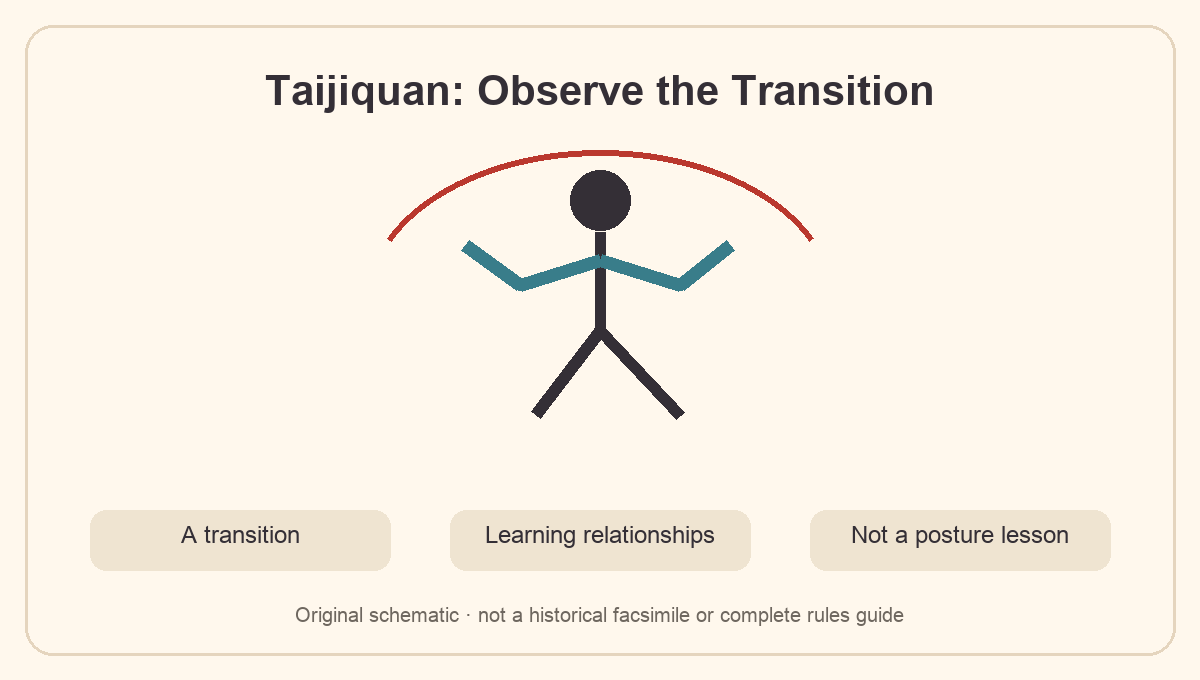
Look at movement as learned cultural practice, without turning observation into an exercise prescription.
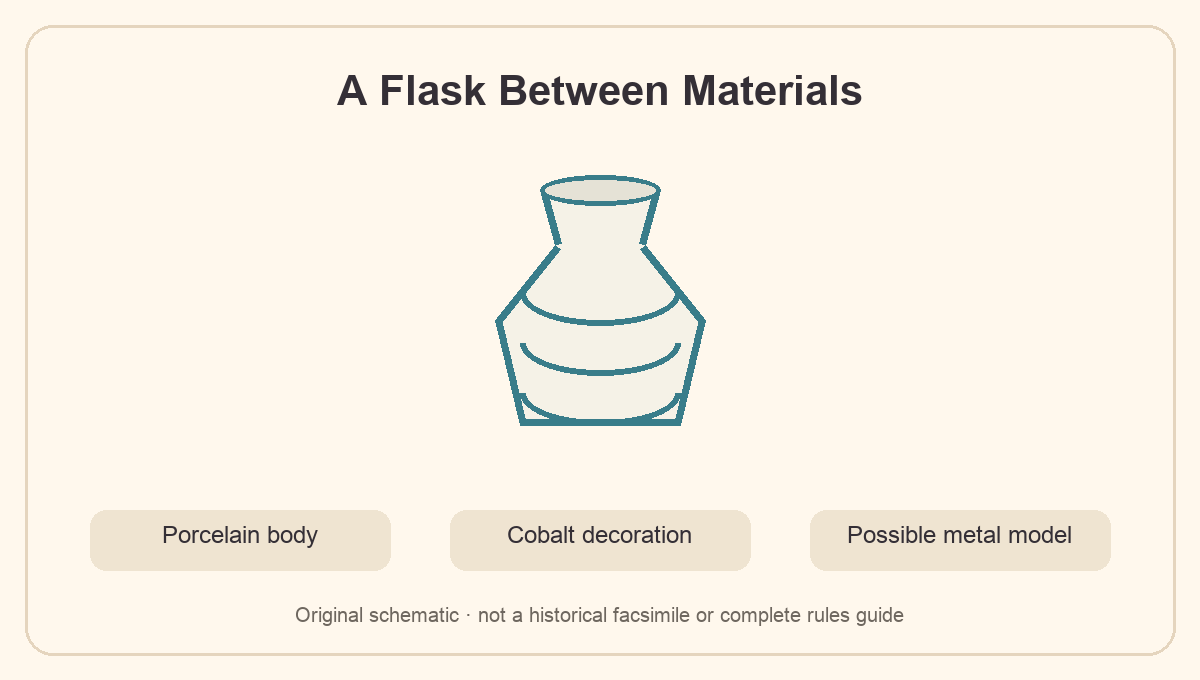
One porcelain flask makes cross-cultural design more concrete than a broad story about influence.
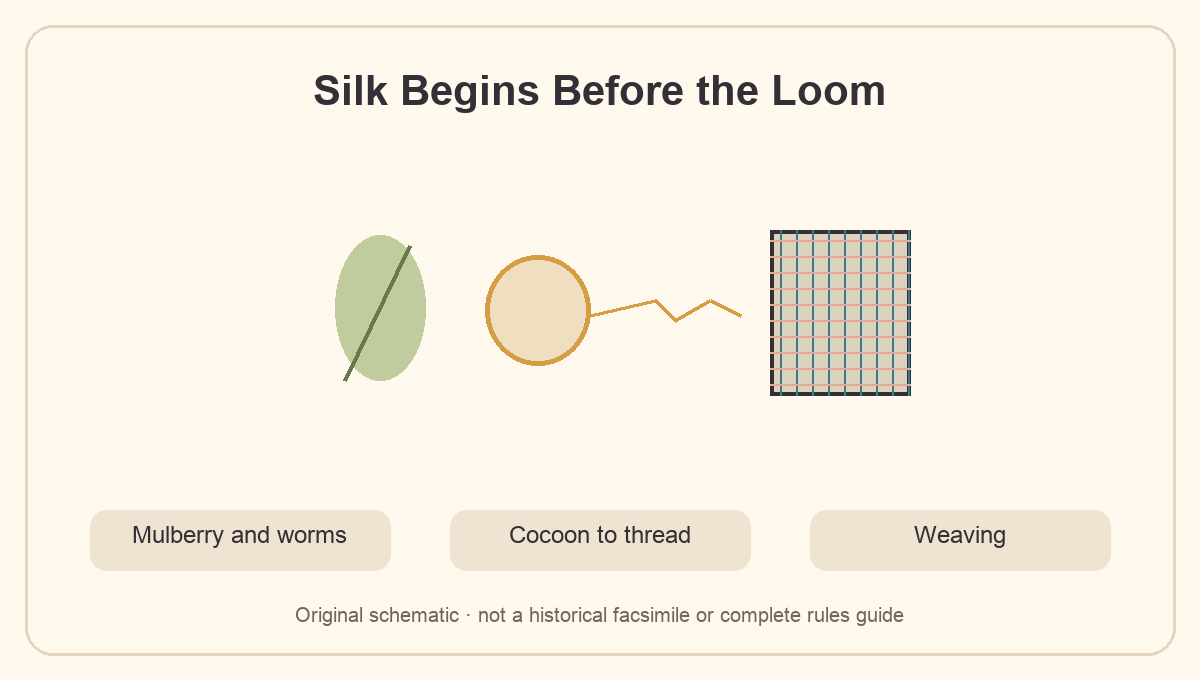
A craft chain connects mulberry leaves, thread, fabric, and people learning together.
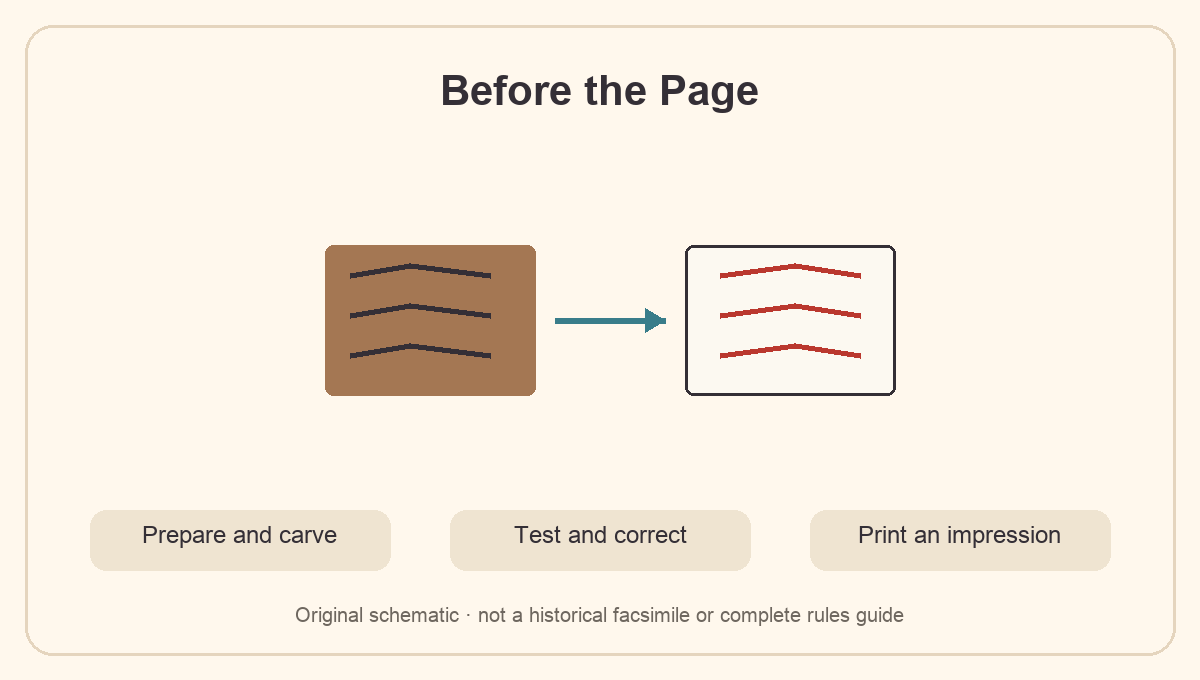
Carving and printing are different jobs in a shared production process.
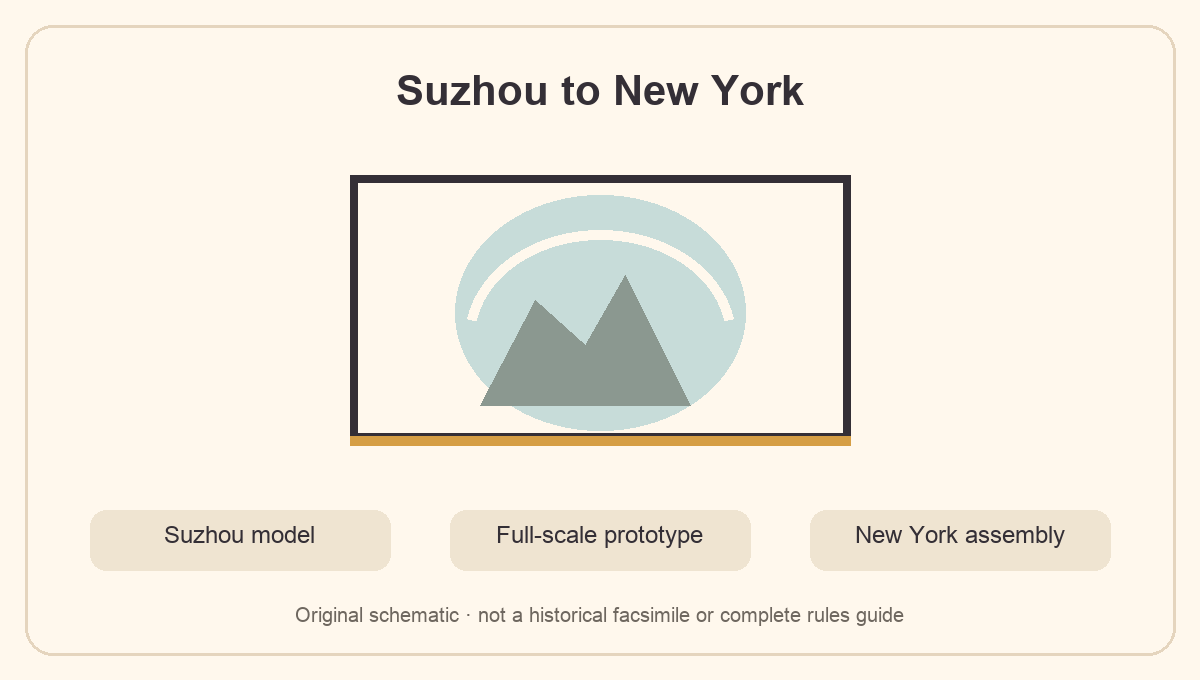
The Astor Court is a specific collaboration, not a miniature of every Chinese garden.
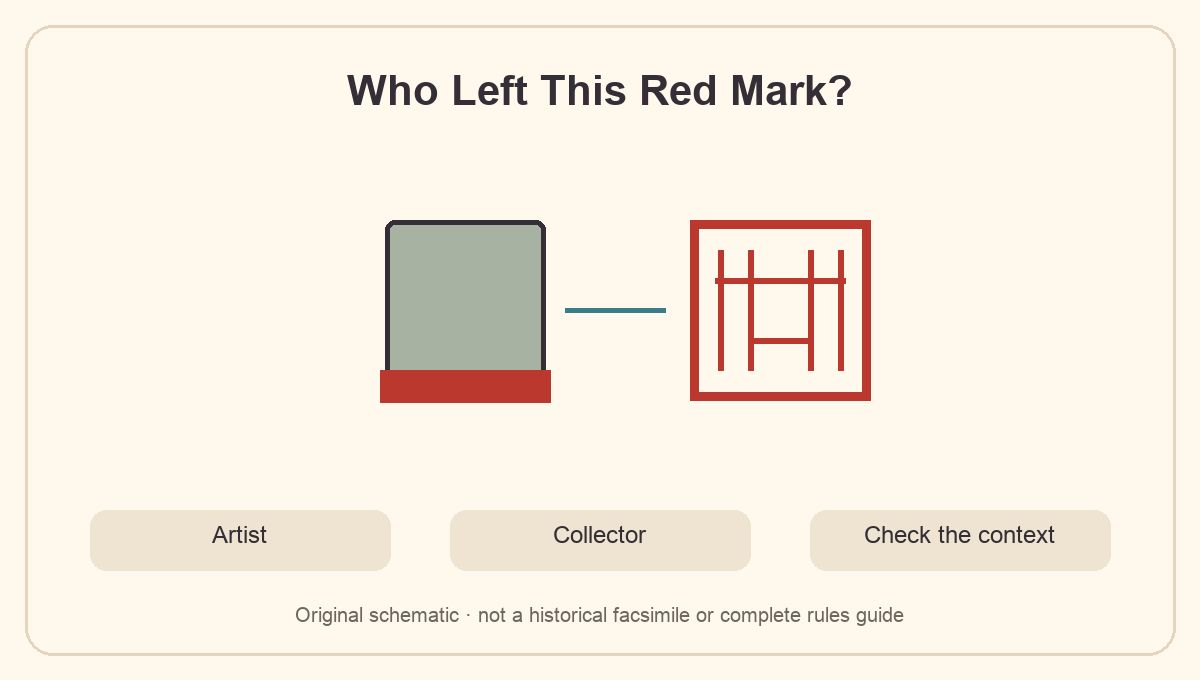
Artist and collector seals ask different questions of the same artwork.
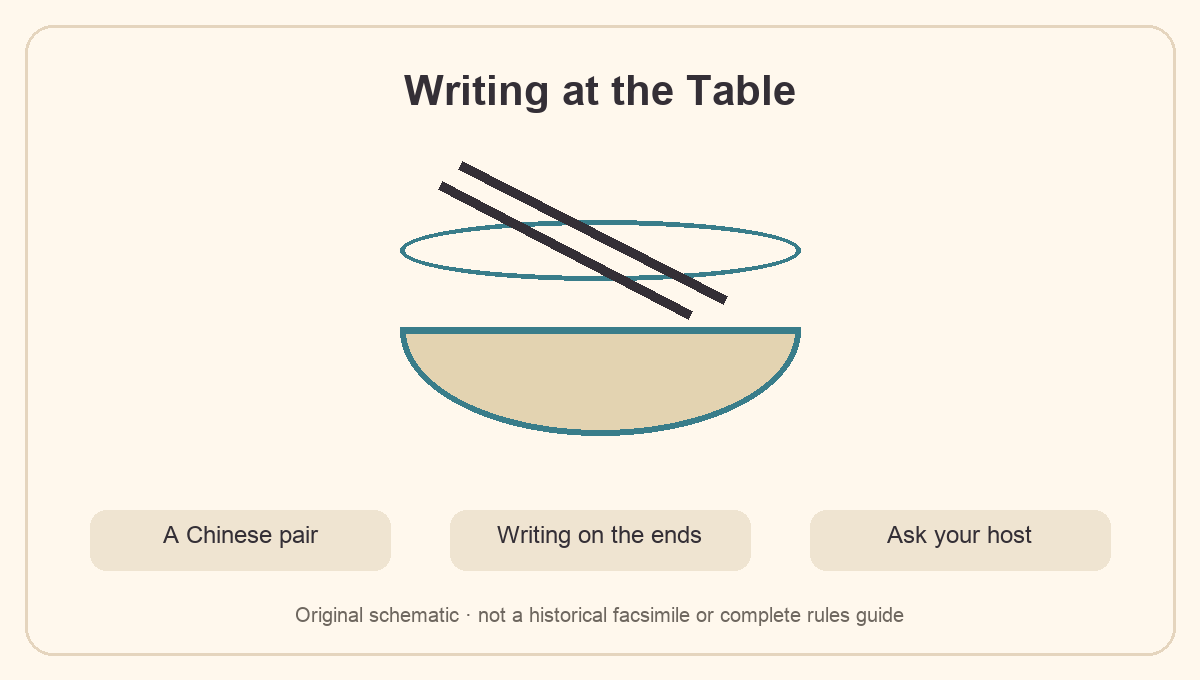
A cataloged Chinese pair brings writing and a dining utensil together.
Wu Gongfu appears in Columbia University’s Chinese Names teaching page.
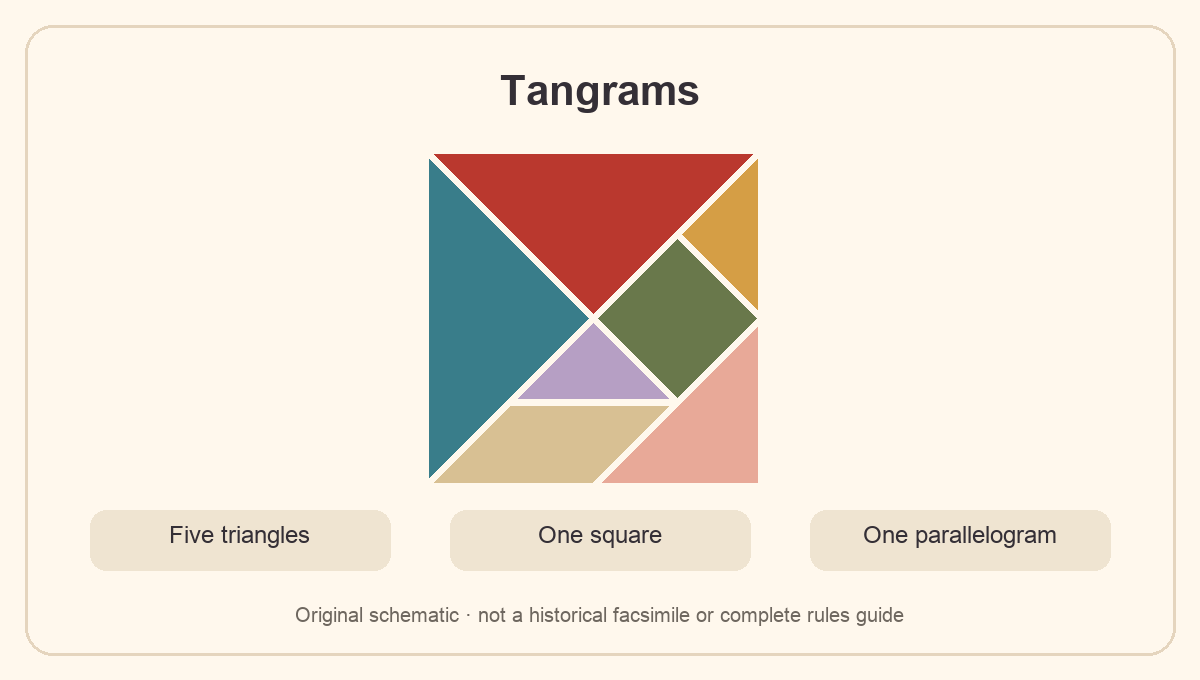
Seven loose pieces can look like the beginning of a picture you have not recognized yet.
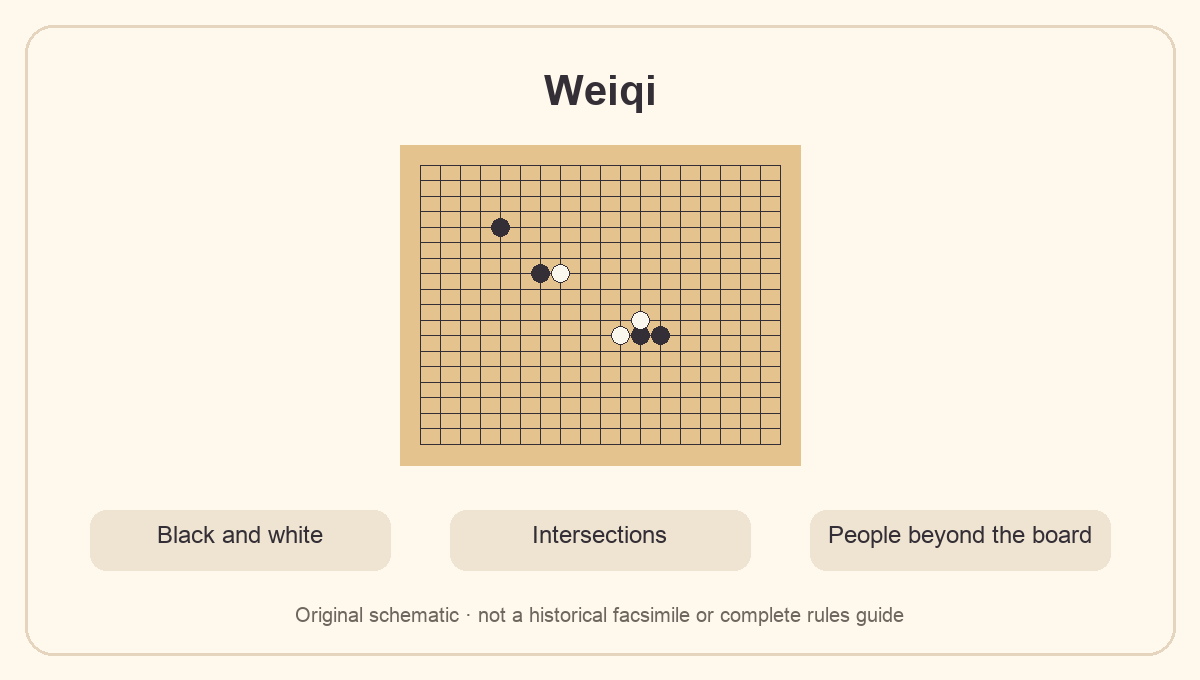
Who gets remembered around a Go board? A 1609 manual opens a story about players, publishers, and people outside the spotlight.
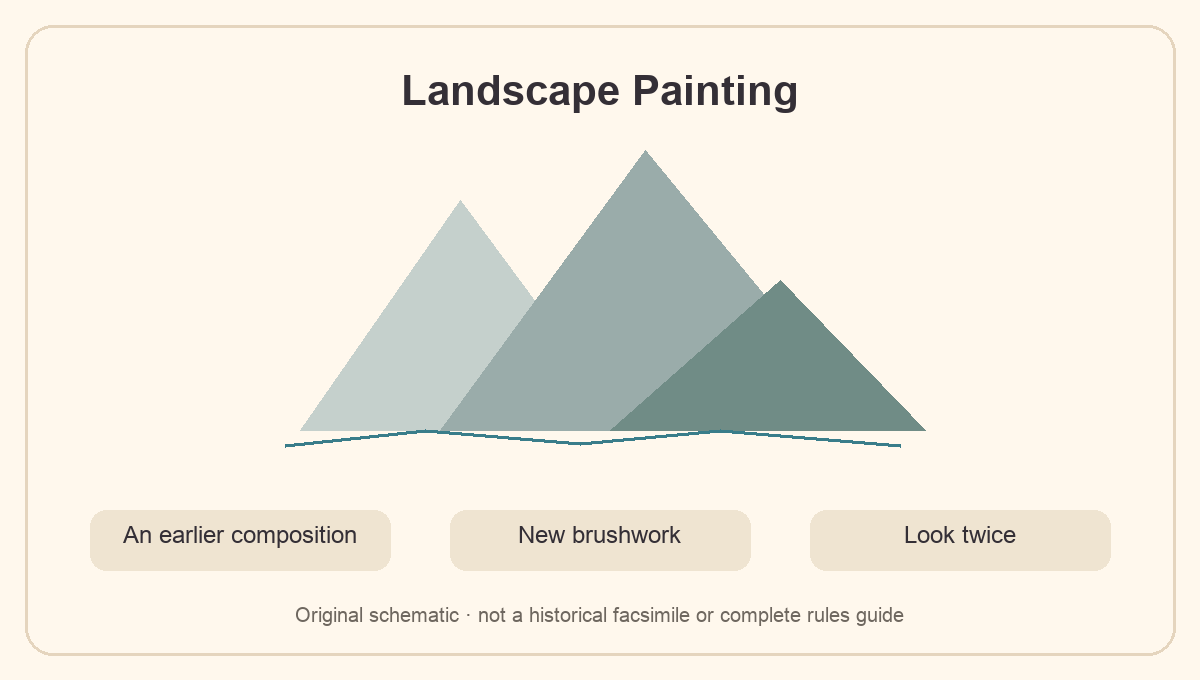
Wu Li’s Travelers among Streams and Mountains drew on an earlier painting. The story follows a composition from one artist to another.
By Casual Chinese Mahjong
Beginner lessons in a creator’s simplified 13-tile game—not NMJL or standard Taiwanese rules.
By The Strong National Museum of Play
Why a game endures across communities. History and interpretation, not playing rules.
By Hagley Museum and Library
Historical materials and manufacturing in the US. Not a lesson on playing the game.
By Casual Chinese Mahjong
One creator’s Hong Kong adaptation. Your group may use different rules.
By National Mah Jongg League
NMJL is an organization. Find its annual American mahjong card here—not a full beginner lesson.
By NMJL Online
Clarifications for NMJL Online. Not the full rulebook or every group’s house rules.
By Asian Art Museum
Holiday symbols from one museum educator’s perspective, not rules for every household.
By The Metropolitan Museum of Art
One character in four scripts, made for the 2023 Year of the Rabbit. Not a full language course.
By The Metropolitan Museum of Art
Views and context for one Qing-dynasty vase. Not a guide to every dragon image.
By Asian Art Museum
Folding instructions and a template link. Not advice on how much money to give.
By Wikisource — Journey to the West, chapter 1
Read the waterfall episode behind our retelling.
By Smithsonian National Museum of Asian Art
Read about reunion and one version of Hou Yi and Chang’e.
By National Museum of Natural Science, Taiwan
Learn why water, utensils and production belong in a tea story.
By Smithsonian National Museum of Asian Art
Follow a grandmother’s radish cake and a Washington cultural exchange.
By Asian Art Museum, San Francisco
Compare labelled forms before guessing a character from its appearance.
By British Council
Check animal order and the cooperation described in this adaptation.
By Smithsonian Folklife Festival
See Tian Yali’s family recipe in the setting of the festival’s China program.
By National Palace Museum, Taiwan
Learn how Wang Xizhi’s letters were transmitted through copies and modelbooks.
By Culturepaedia — Singapore Chinese Cultural Centre
Read about blessings, local names and the Sui legend.
By Smithsonian National Museum of Asian Art
Museum introduction and opera-inspired mask craft; not a game or full opera course.
By Smithsonian National Museum of Asian Art
Archived tea introduction with an embedded video; full playback and captions not reviewed.
By Hong Kong Education Bureau
Read a school introduction to boats and festival stories, including Qu Yuan.
By Hong Kong Education Bureau
Explore ancestor remembrance, shared preparations and spring outings.
By Singapore Chinese Cultural Centre
Read about tangyuan, reunion and the occasions when people eat them.
By Hong Kong FEHD
See a specific 2026 example of arrangements for ancestor visits.
By Hong Kong Observatory
Read how lunar months and the solar year fit into the Chinese calendar.
By UNESCO
Meet the cultural practice behind the paper-cutting story.
By UNESCO
Explore the cultural practice behind a shadow-puppet performance.
By UNESCO
Find background for the voices, gestures and conventions in our opera story.
By UNESCO
Read cultural background for the seven-string instrument in our story.
By Kimbell
Follow the source behind our story about one flat-sided porcelain flask.
By UNESCO
Find background for the people and craft process behind silk.
By UNESCO
Find cultural background for carving and printing a page.
By The Metropolitan Museum of Art
Read about the Chinese garden court discussed in our New York story.
By Hong Kong Museum of Art
Follow a museum source behind our story about red marks on artworks.
By Concordia Historical Institute
Read a collection record for one Chinese pair of chopsticks.
By Columbia University
Explore examples that help you ask about names with more context.
By University of Oregon
Start at printed pages 47–48 for the kit’s tangram section.
By University of Washington
Read background for our story about weiqi and its social setting.
By The Metropolitan Museum of Art
Follow the museum record behind our story about reworking an older painting.