In this story
A note from Common Ground
Project editorial introduction based on a bounded official summary; observation prompts are editorial.
A gesture as an entrance
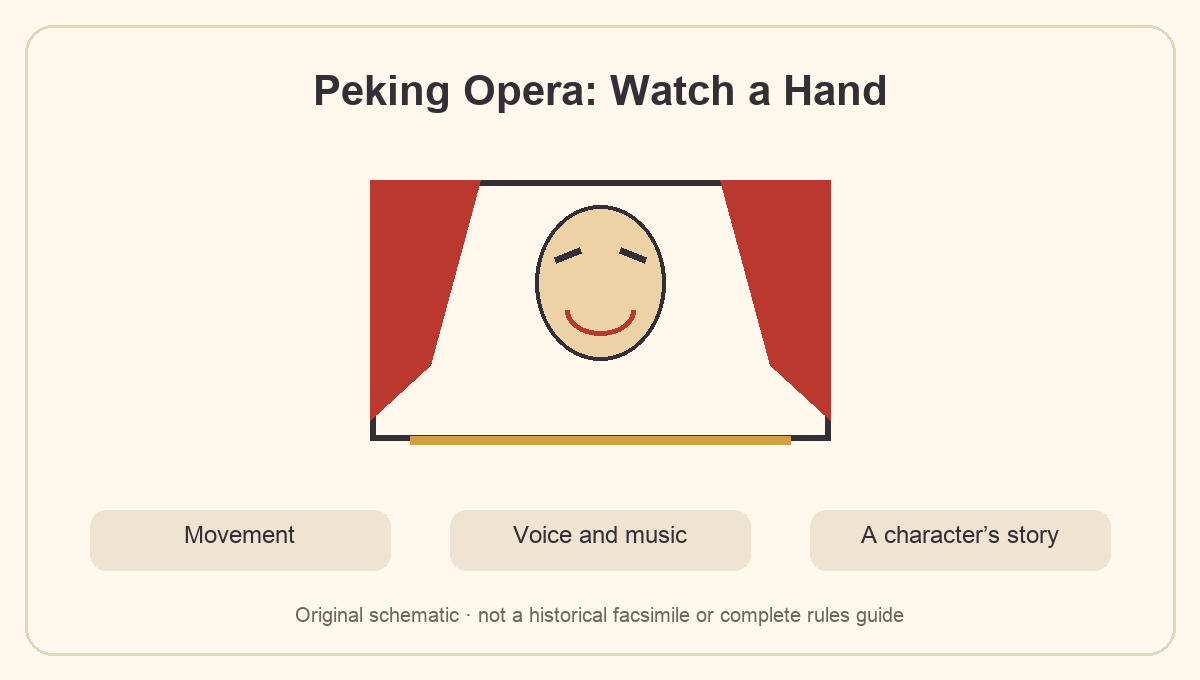
A hand can be an entrance into Peking opera. UNESCO describes a performance language with established movements involving hands, eyes, torso, and feet. Singing, recitation, acting, and martial arts come together within the form. You can begin with one small action without pretending that it explains the whole stage. [S1]
Picture an invented evening at home in the United States: a friend suggests a performance recording, and you feel unsure where to look. Instead of demanding immediate understanding of the plot, choose a modest task. Follow one performer's hand for a moment, then widen your attention.
Media selection · Reviewed by the project owner on November 5, 2026. Context images do not replace the story’s cited evidence.
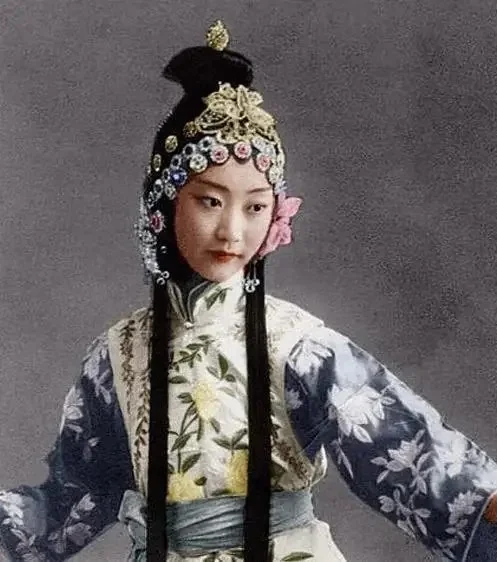
A performer portrait from the image record. Costume and makeup offer details to look at closely.
Image source & license
Unknown authorUnknown author · Public domain. WebP delivery copy; resized if needed, composition unchanged. Original image & full credit
An art of coordination
UNESCO explains that music helps organize pace, atmosphere, characters, and the story’s progress. Its overview contrasts “civilian” plays, which emphasize string and wind instruments, with “military” plays, which feature percussion. These are types of plays—not categories of audience members. It also describes traditionally spare settings, expressive costumes and makeup, and learning by instruction, watching, and imitation. [S1]
These details offer several entry points, rather than a test you must pass before enjoying anything. They also discourage treating a striking costume photograph as a complete account. The image leaves out sound, duration, movement, and the work of learning how to coordinate them.
Do not decode too quickly
Our suggested viewing question is simple: what changes when your attention moves from the hand to the sound? You might notice a pause, a change of direction, or something you cannot yet name. Write the observation first. Do not attach a fixed meaning to an unfamiliar gesture without a source for that particular use.
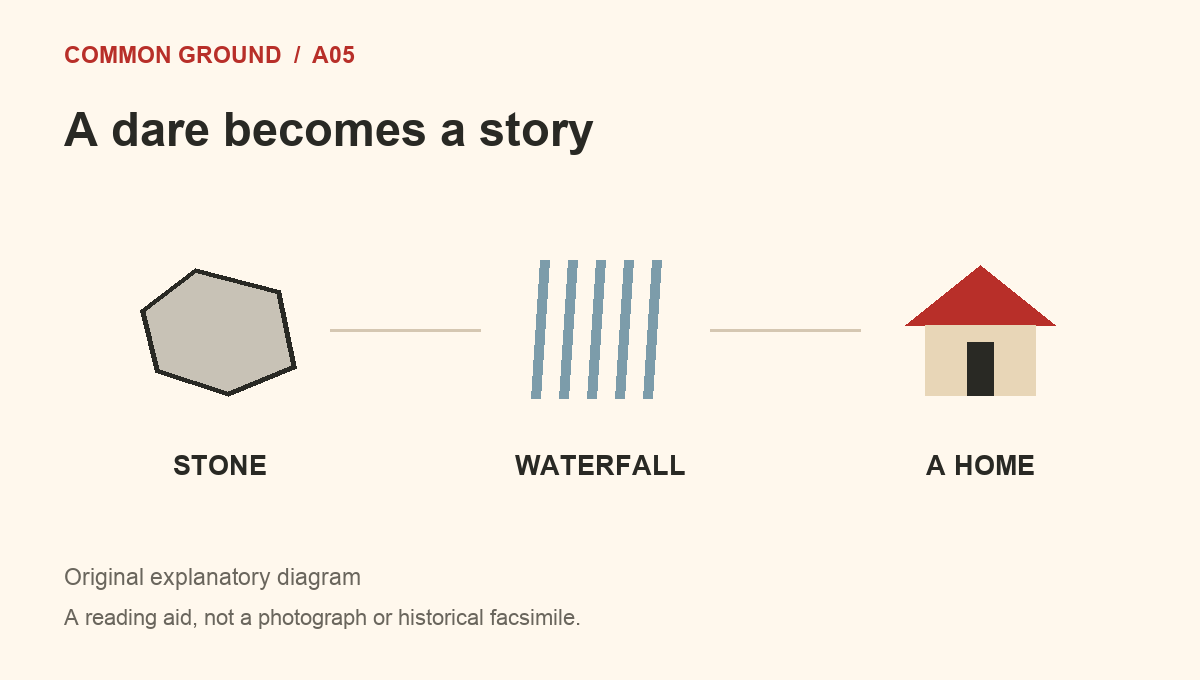
A character story gives those movements something to carry. In chapter one of Journey to the West, the stone monkey leaps through a waterfall and finds a home for his companions. Now imagine communicating that leap with a performer’s body rather than an actual waterfall. That is our stage exercise, not a report of a particular opera production. [S2]
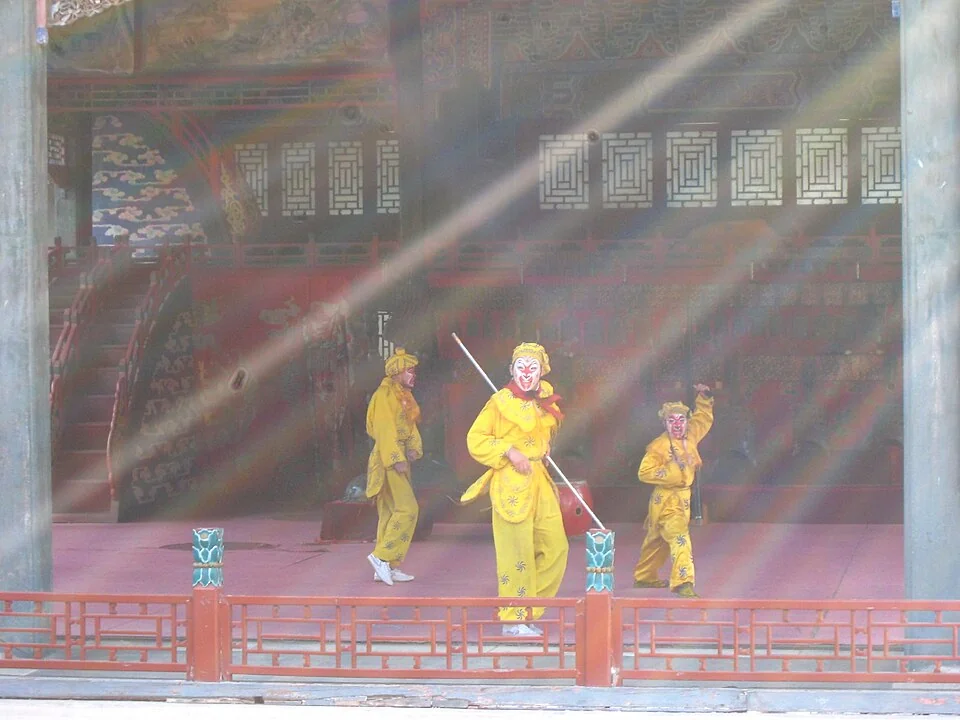
One stage view. Notice bodies, space and the setting around a gesture.
Image source & license
star5112 · CC BY-SA 2.0. WebP delivery copy; resized if needed, composition unchanged. Original image & full credit · License
Leave a useful question
In your culture field notes, save one visible detail, one sourced fact about the form, and one open question. “I followed a hand movement; the overview describes established choreography; how does this action work in this scene?” is enough for a productive beginning. You can refine it after finding a reliable explanation.
You do not have to turn unfamiliarity into instant expertise. A useful introduction gives you a way to return with better attention. Let the next viewing answer one question and raise another, while keeping the performer, the music, and the story connected in your account of what happened.
3 optional questionsWant a tiny challenge?
A little practice, with room to try again.
Want a tiny challenge?
A little practice, with room to try again.
How did this land?
Just your reaction, kept in this browser. Tap again to change your mind.
A little trail to follow.
Want to dig into a detail? These links take you to the original sources. Our suggestions and imagined examples are labeled in the story.
- UNESCO — Peking opera (opens in a new tab)
Official heritage summary; read through search-index text. Direct page access was not established. Limited introductory scope; not an independent field study.
- Journey to the West, chapter one — Chinese text (opens in a new tab)
Original literary waterfall episode, retold in our words. The stage exercise is invented, not evidence of a specific staging.
What did you notice, and what still needs context?
Your question, a memory, a different way your family does things — there's room for it here. These notes are just for you in this browser.
Downloads and copies include notes and corrections for this story. To send it to us, attach it yourself in an email to support@goodbye.help. Saved stories and practice scores stay out of the download.