In this story
A note from Common Ground
Project editorial: distinguish documented practices from suggested personal activities.
Begin with the stairs
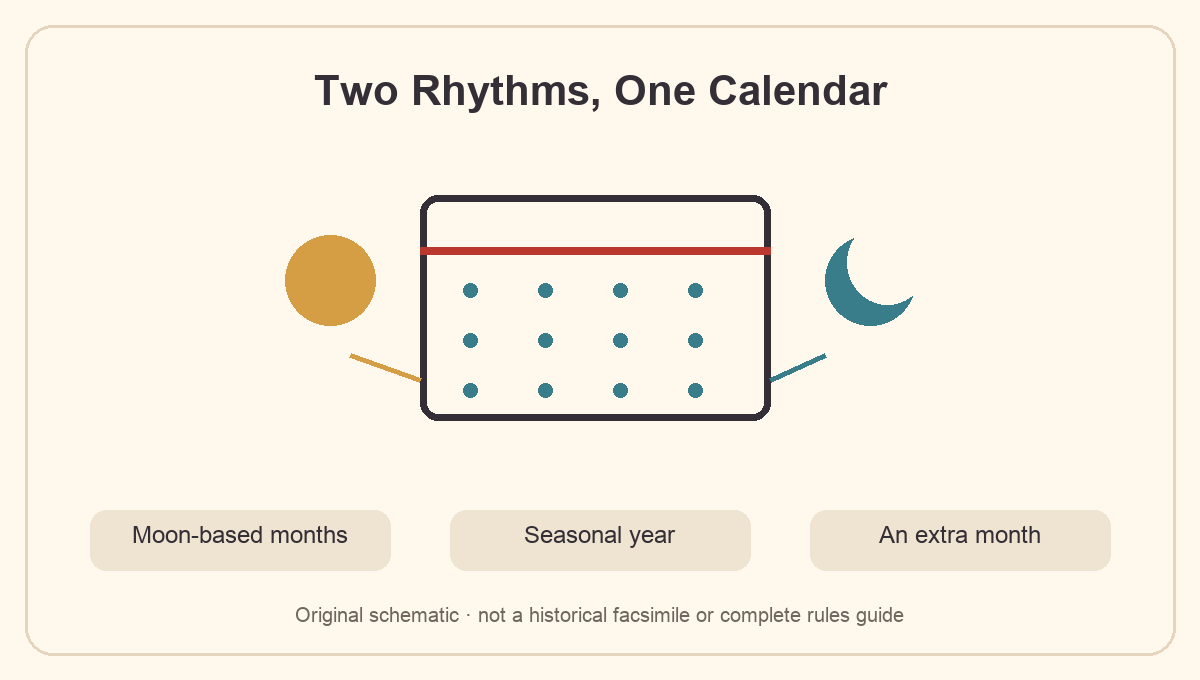
Double Ninth falls on the ninth day of the ninth month in the traditional Chinese calendar, as Beijing’s municipal tourism account explains. In Hong Kong it is called Chung Yeung. One local notice offers a way into the occasion: people have a hill to climb and someone to remember. [S3] [S1]
The September 2026 notice concerned visits during that October’s festival to Cape Collinson–San Ha Columbarium, a place where cremated remains are kept. It asked visitors to spread visits across a wider period and offered alternatives to burning paper, including flowers, silence, and writing. These are practical details from one institution in Hong Kong, not a complete definition of the festival. [S1]
Media selection · Reviewed by the project owner on November 5, 2026. Context images do not replace the story’s cited evidence.
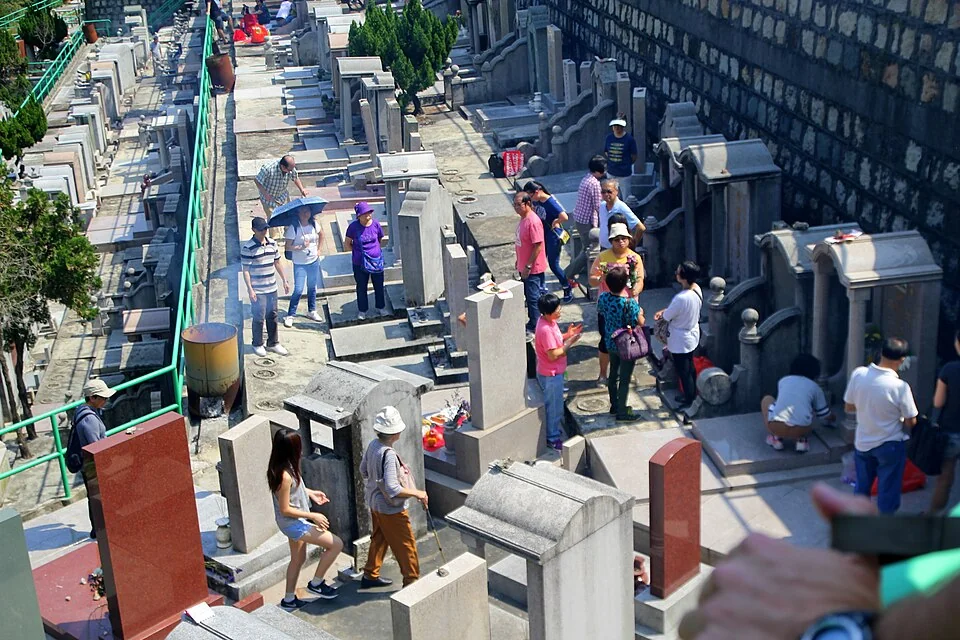
A Chung Yeung cemetery visit in Hong Kong. A historical scene, rather than a current visitor notice.
Image source & license
Sgerbic · CC BY-SA 4.0. WebP delivery copy; resized if needed, composition unchanged. Original image & full credit · License
An uphill association
Hill climbing also appears in Hong Kong’s public cultural record. A government archive announcement from 1988 describes a stair-running competition organized to celebrate Chung Yeung as part of an anti-drug program. That particular event is historical evidence of a local connection between the occasion and an uphill activity; it is not an invitation to a current race. [S2]
A festival can acquire meaning through the landscape people move through. Still, climbing for recreation and ascending a route to visit a memorial are not identical activities. When you describe an outing, name its purpose and place rather than making every hill stand for the same tradition.
Respect has a practical side
For an invented US example, imagine planning a walk with an older relative. You choose a route with a bench, then ask whether they would prefer a shorter loop or a conversation at home. This is a suggested reflection on relationships with elders, not evidence that a Hong Kong family follows this exact plan.
The useful question is who gets to set the pace. An invitation can sound generous while leaving someone little choice. Asking about preferences before choosing the route treats an older person as a participant with their own interests, rather than as a symbol in somebody else’s festival photograph.
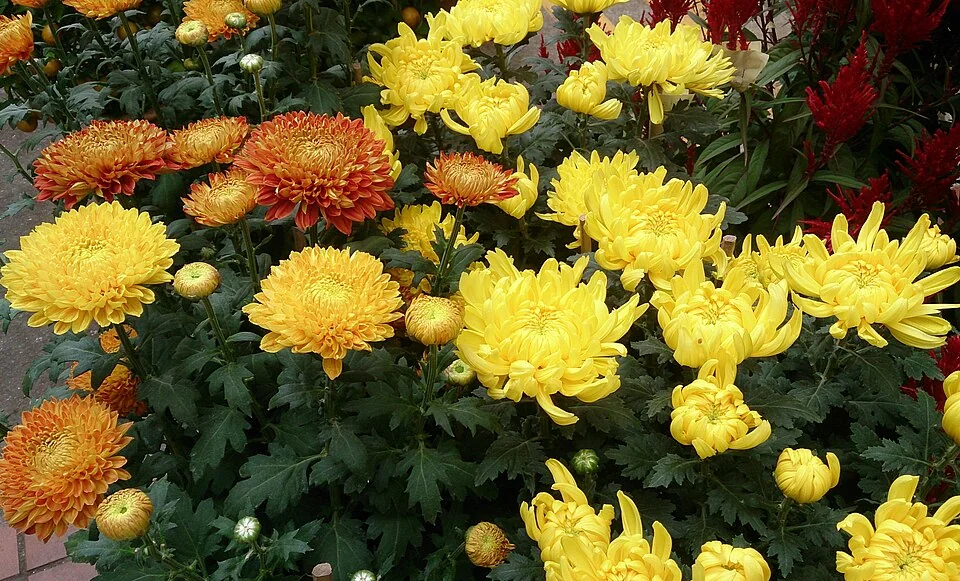
Chrysanthemums in bloom: a small visual pause before returning to the people and places in the story.
Image source & license
Mokkie · CC BY-SA 3.0. WebP delivery copy; resized if needed, composition unchanged. Original image & full credit · License
Keep the map local
If you encounter Double Ninth under the Hong Kong name Chung Yeung, look closely at the source’s setting. Is it discussing ancestor visits, an outdoor activity, or a particular community program? One setting can illuminate the occasion without supplying a universal instruction for how every family should spend it.
Your field note could pair a concrete object, such as a handrail or bunch of flowers, with the source detail that helped you understand it. Then add a separate question about the living people around you: what would make time together easier, more welcome, or more attentive? That question can travel even when local customs differ.
This recording is a past event, not a current event listing. Check an organizer’s dated announcement before making plans.
3 optional questionsWant a tiny challenge?
A little practice, with room to try again.
Want a tiny challenge?
A little practice, with room to try again.
How did this land?
Just your reaction, kept in this browser. Tap again to change your mind.
A little trail to follow.
Want to dig into a detail? These links take you to the original sources. Our suggestions and imagined examples are labeled in the story.
- Hong Kong FEHD: Chung Yeung arrangements (opens in a new tab)
2026 columbarium ancestor visits, uphill access, staggered visits and alternative tributes. Past arrangements for 2026, not current visiting instructions.
- Hong Kong Government Records Service: 1988 announcement (opens in a new tab)
Historical stair-running competition associated with Chung Yeung. Substantive indexed text only; full page not parsed. Media playback not reviewed.
- Beijing municipal tourism: Chongyang Festival (opens in a new tab)
2015 municipal tourism article, used only for ninth day/ninth month and festival name; broad origin and ethnic exclusivity statements not adopted.
What detail would you like to understand more closely?
Your question, a memory, a different way your family does things — there's room for it here. These notes are just for you in this browser.
Downloads and copies include notes and corrections for this story. To send it to us, attach it yourself in an email to support@goodbye.help. Saved stories and practice scores stay out of the download.