In this story
A note from Common Ground
A useful food memory starts with the dish in front of you.
Your menu needs more than one question
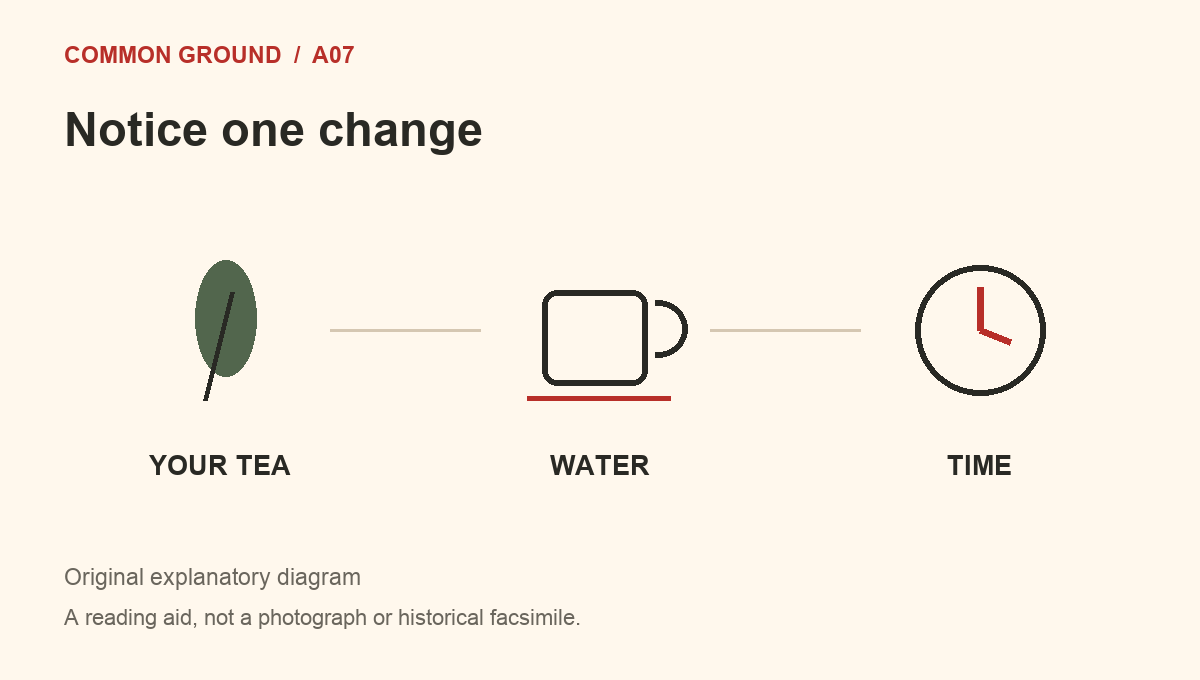
You order ‘dumplings’ and expect the ones you had last week. A different shape arrives. Different filling, too. Did someone get the order wrong?
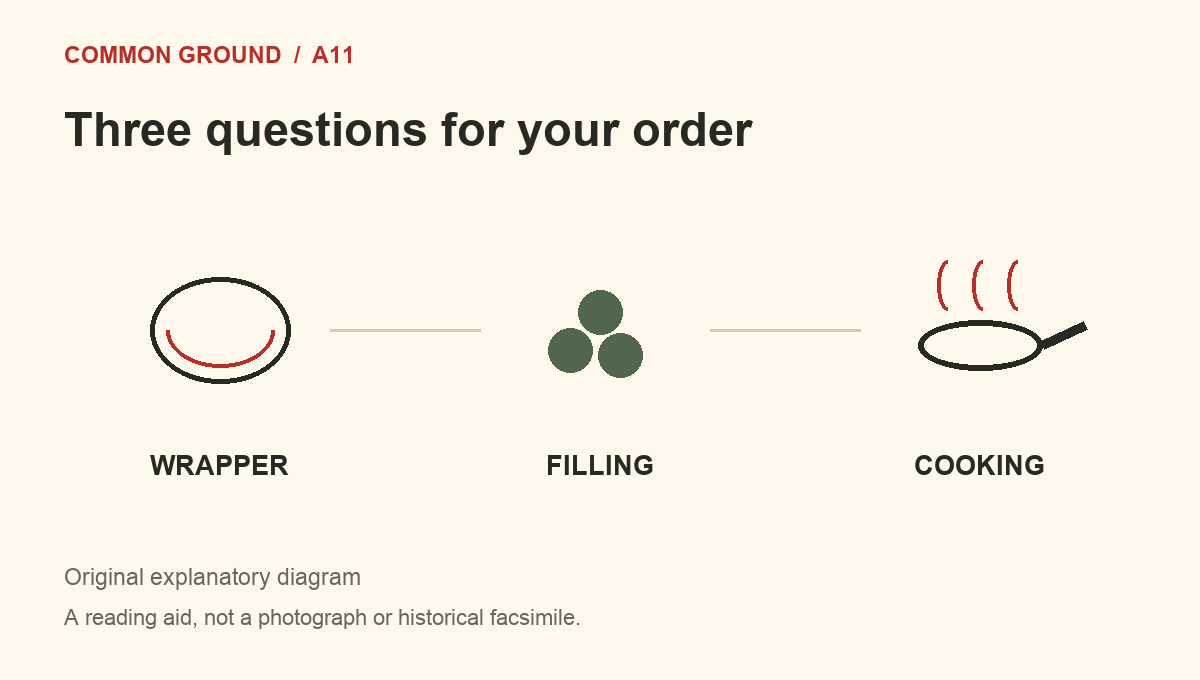
Maybe you asked a very large word to do a very small job. For a first look at Chinese dumplings, try three questions: What’s the wrapper? What’s inside? How is it cooked?
Media selection · Reviewed by the project owner on November 5, 2026. Context images do not replace the story’s cited evidence.
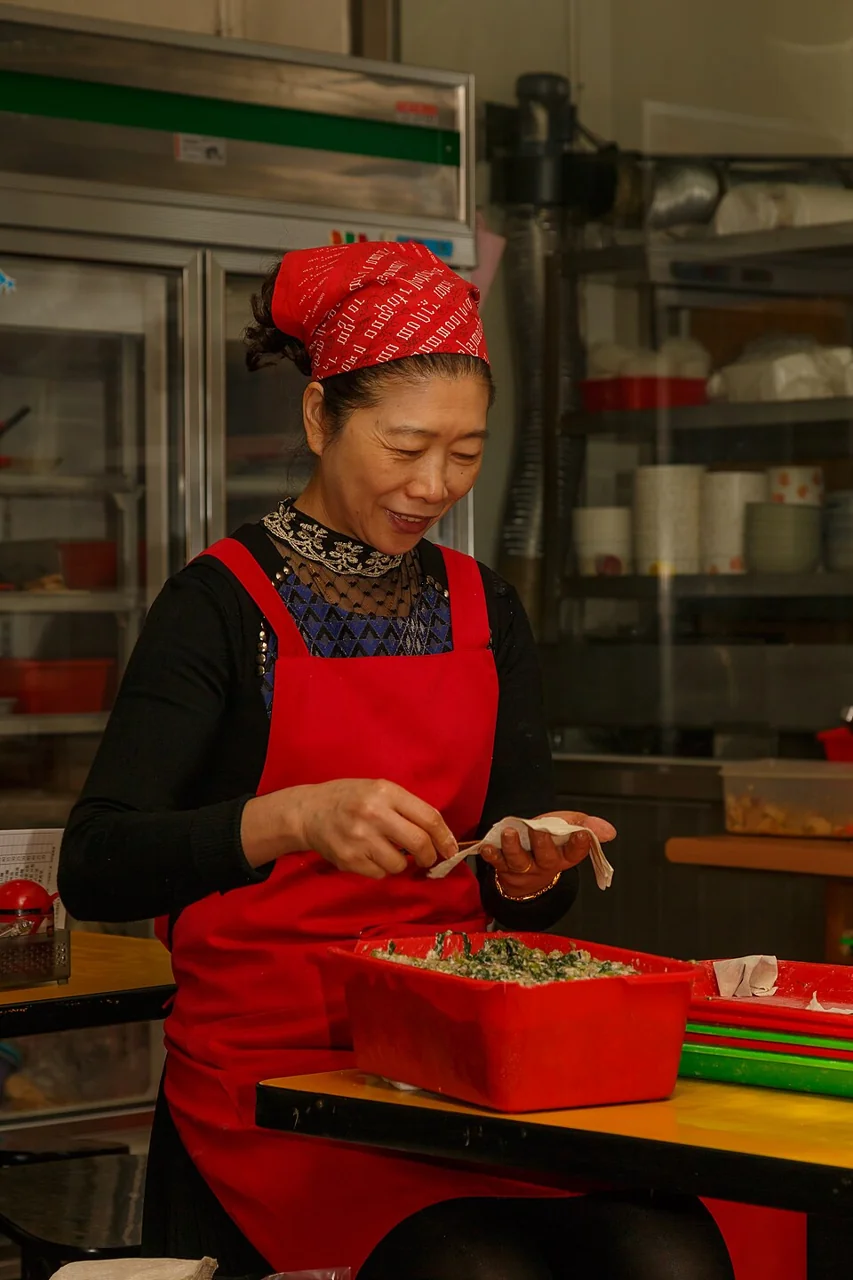
A restaurant preparation scene in Taipei, separate from the artist’s story in the text.
Image source & license
CEphoto, Uwe Aranas · CC BY-SA 3.0. WebP delivery copy; resized if needed, composition unchanged. Original image & full credit · License
A paper-cutting artist steps into the kitchen
At the Smithsonian Folklife Festival’s 2014 China program, paper-cutting artist Tian Yali shared a New Year’s dumpling recipe in the Five Spice Kitchen. The festival published the recipe and her family’s account. [S1]
That’s a good cultural story to start with: a named person, a particular occasion, and something she knew how to make. It’s more useful than an anonymous claim that ‘Chinese people eat this.’ We aren’t reporting our own interview, and one family’s recipe doesn’t represent every region.
There’s also a neat change of attention. You meet someone through one craft and discover another part of their everyday expertise. Food lets the person become more than the label on an event program.
Cooking is part of the name
A Smithsonian food essay distinguishes boiled shuijiao, steamed zhengjiao, and pan-fried guotie in its discussion of jiaozi. Those cooking differences are useful clues for ordering. They are not a complete taxonomy of everything translated as ‘dumpling.’ [S2]
Ask about the actual dish: its filling, wrapper, and cooking method. The English word “dumpling” can only get you so far. The person serving it may connect it with a hometown, a holiday, or just a good lunch.
Imagine two American cousins arguing over their grandmother’s ravioli. One remembers the filling. The other remembers a flour-covered table and who was allowed to help. That invented scene is a bridge to family food memories, not evidence that jiaozi and ravioli share one origin.
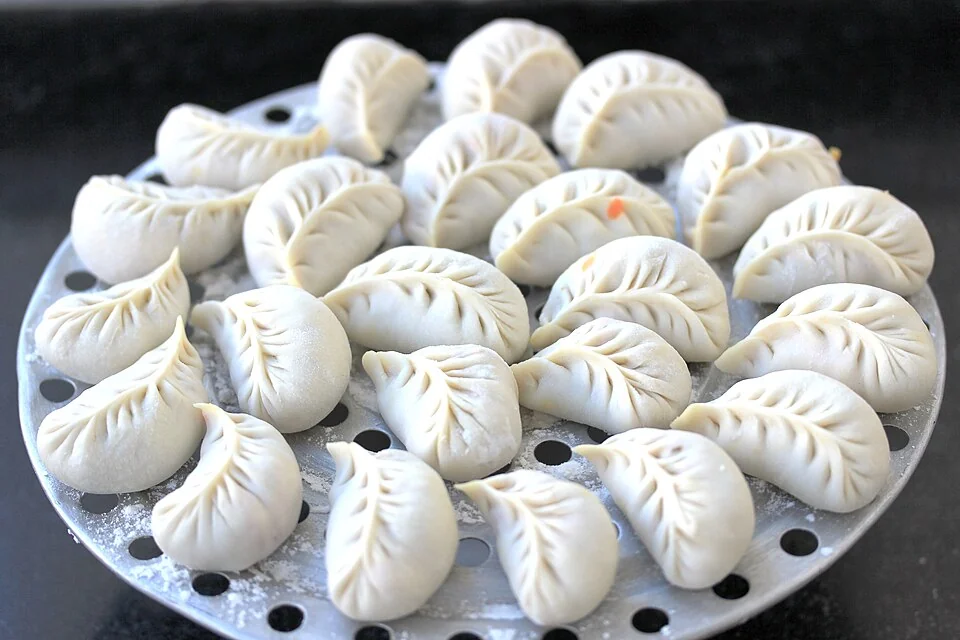
A tray of jiaozi. Start with the shape, then ask about filling, preparation and local names.
Image source & license
Emcc83 · CC BY-SA 4.0. WebP delivery copy; resized if needed, composition unchanged. Original image & full credit · License
Bring curiosity to the table
Next time, keep a three-part note: wrapper, filling, cooking method. Add the restaurant’s own name for the dish. You’ve made a useful record without pretending to classify an entire cuisine.
If someone offers a family story, ask ‘Who taught you?’ or ‘Is this how you grew up making them?’ Let them decide how much to share.
You don’t need to master the folding before enjoying the conversation. And you don’t need a dramatic invention legend to make the food interesting. A recipe arriving at a Washington festival through a working artist is already a story worth remembering.
This is a menu-reading guide, not a cooking or food-safety tutorial. For ingredients and preparation, use the actual recipe or ask the person making the dish.
3 optional questionsWant a tiny challenge?
A little practice, with room to try again.
Want a tiny challenge?
A little practice, with room to try again.
How did this land?
Just your reaction, kept in this browser. Tap again to change your mind.
A little trail to follow.
Want to dig into a detail? These links take you to the original sources. Our suggestions and imagined examples are labeled in the story.
- Smithsonian Folklife — Foodways Friday: New Year’s Dumplings (opens in a new tab)
Tian Yali, July 17, 2014 post about the China program and Five Spice Kitchen. Current search-index text supports the account; direct fetch still returned 500. No coin-hiding instruction reproduced.
- Smithsonian Asian Pacific American Center — Sweet Potato Chinese Dumplings (opens in a new tab)
Named cooking methods within a jiaozi discussion; not a universal dumpling taxonomy.
What would you like to ask about food & drink?
Your question, a memory, a different way your family does things — there's room for it here. These notes are just for you in this browser.
Downloads and copies include notes and corrections for this story. To send it to us, attach it yourself in an email to support@goodbye.help. Saved stories and practice scores stay out of the download.